Organic vs Regular Moringa Powder: B2B Quality Guide
Compare organic and regular moringa powder by farming standards, processing methods, lab testing, freshness, labels, and bulk value before choosing a supplier.
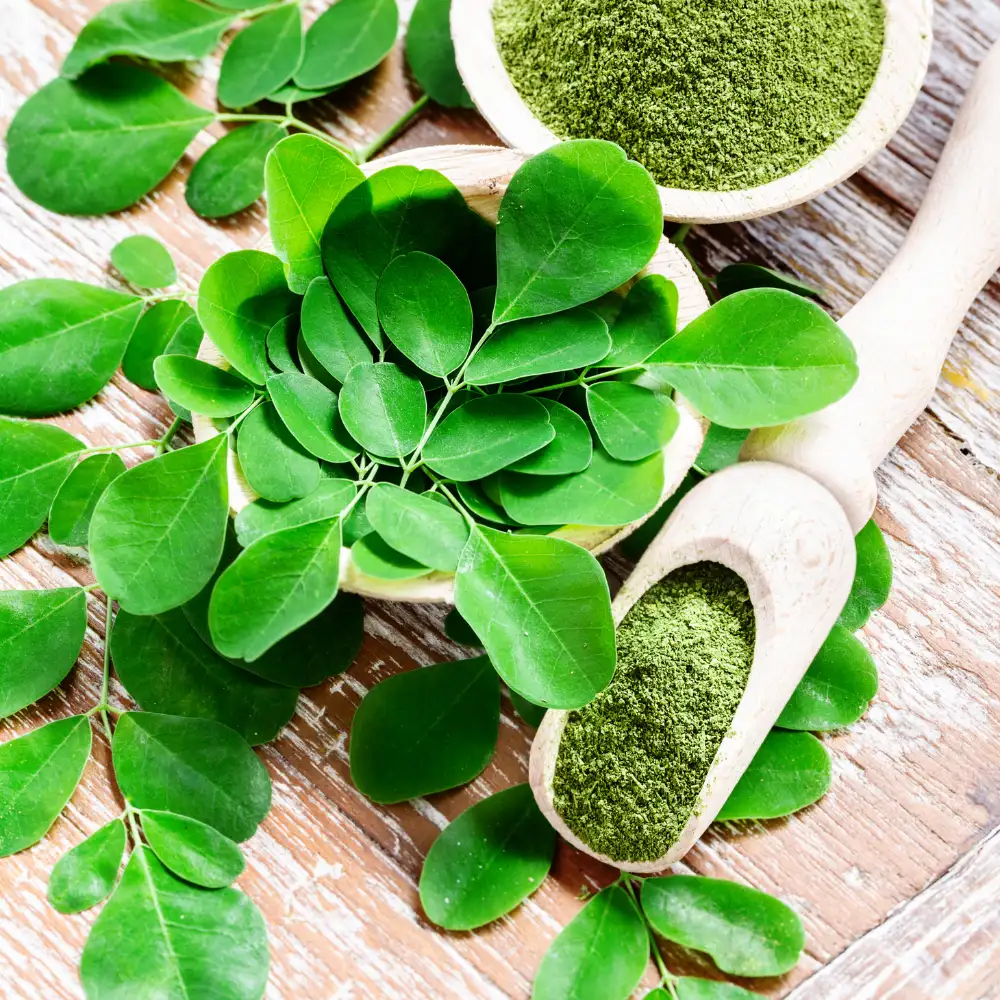
Two bags of moringa powder can look nearly identical while differing sharply in farming records, leaf handling, batch testing, and age. The organic seal answers one part of the comparison, but it does not tell you whether the powder was dried carefully, protected from oxygen, or tested for environmental contaminants like heavy metals.
SoilSaga Naturals Botanical QA Team uses an evidence-first rule throughout its practical buying guides: treat the front label as a marketing claim, then check whether the product documentation supports it. For detailed technical data on heavy metal screening and batch compliance, review our moringa powder heavy metals testing guide and quality control. You can also explore our foundational resources on checking moringa powder quality: 8 things to verify and how to verify pure moringa leaf powder quality.
Quick Answer: How to Compare Organic Moringa Powder vs Regular
Organic moringa is usually the better choice when its certification is valid and its processing, testing, and freshness evidence are at least as strong as the regular alternative. Compare products in this structured order:
1. Verify Certification Status
Confirm whether "organic" refers to current third-party certification (USDA/EU NOP), not informal or vague farming language.
2. Audit Supply Chain Traceability
Check the country, farm region, plant part, and supply-chain transparency down to the processing facility.
3. Evaluate Processing Methods
Compare drying temperature, processing cleanliness, and ensure no unauthorized botanical fillers are added.
4. Examine Batch Lab Evidence
Ask for recent ISO 17025 batch tests covering identity, microbes, heavy metals, and destination-appropriate pesticide panels.
Organic Moringa Powder vs Regular: What Organic Actually Changes
Organic moringa powder comes from leaves produced and handled under a defined organic standard. In the United States, products represented as organic must follow the applicable rules in the USDA National Organic Program. Those rules cover areas such as prohibited substances, strict recordkeeping, and separation from non-organic materials. Because organic farmers cannot use synthetic fertilizers or chemical weed suppressants, their crop yields are naturally lower and manual labor costs are higher—this is the primary reason certified organic powder carries a price premium.
Regular moringa powder, often called conventional moringa, is not automatically low quality. A conventional grower may use careful cultivation, clean drying equipment, and extensive batch testing. However, regular moringa faces higher risks of failing strict EU or US border checks due to Maximum Residue Limits (MRLs) for synthetic pesticides.
Compare Organic and Regular Moringa Farming Standards
Start by separating certified terms from pleasant-sounding marketing language. “Organic,” when properly certified and used according to the relevant market rules, has a strict legal meaning. Terms such as natural, chemical-free, farm fresh, pure, and eco-friendly have no equivalent certification behind them.
Ask the supplier to name the certification body and provide the certificate number. Match the certified legal entity and facility with the company shown on the package. A certificate belonging to a farm does not necessarily cover the processor, packer, or brand using the leaves.
Dates matter immensely in B2B procurement. Organic certificates expire and require continuing oversight. A certificate issued years ago is not enough on its own. Check whether it was valid when the represented crop or product was handled.

Agricultural Input Matrix: Organic vs Conventional Moringa
Understanding the raw material inputs at the farm level explains the price differential and chemical risk profiles between the two grades.
| Farming Parameter | Certified Organic Standard (USDA/EU) | Conventional / Regular Standard |
|---|---|---|
| Soil Fertilization | Approved compost, natural manure, bio-fertilizers only. | Synthetic urea, NPK chemical fertilizers frequently used. |
| Weed Management | Manual labor, mechanical weeding, mulching. | Chemical herbicides (Glyphosate, Paraquat) allowed. |
| Pest Control (IPM) | Neem oil, biological controls, trap crops. | Synthetic organophosphates and chemical insecticides permitted. |
| Buffer Zones | Strict physical distance required from conventional farms to prevent drift. | No buffer zone requirements; high risk of agricultural cross-contamination. |
| Seed Treatment | Non-GMO, untreated natural seeds required. | Fungicide-treated seeds are common to increase germination rates. |
Compare How Leaves Are Processed and Tested
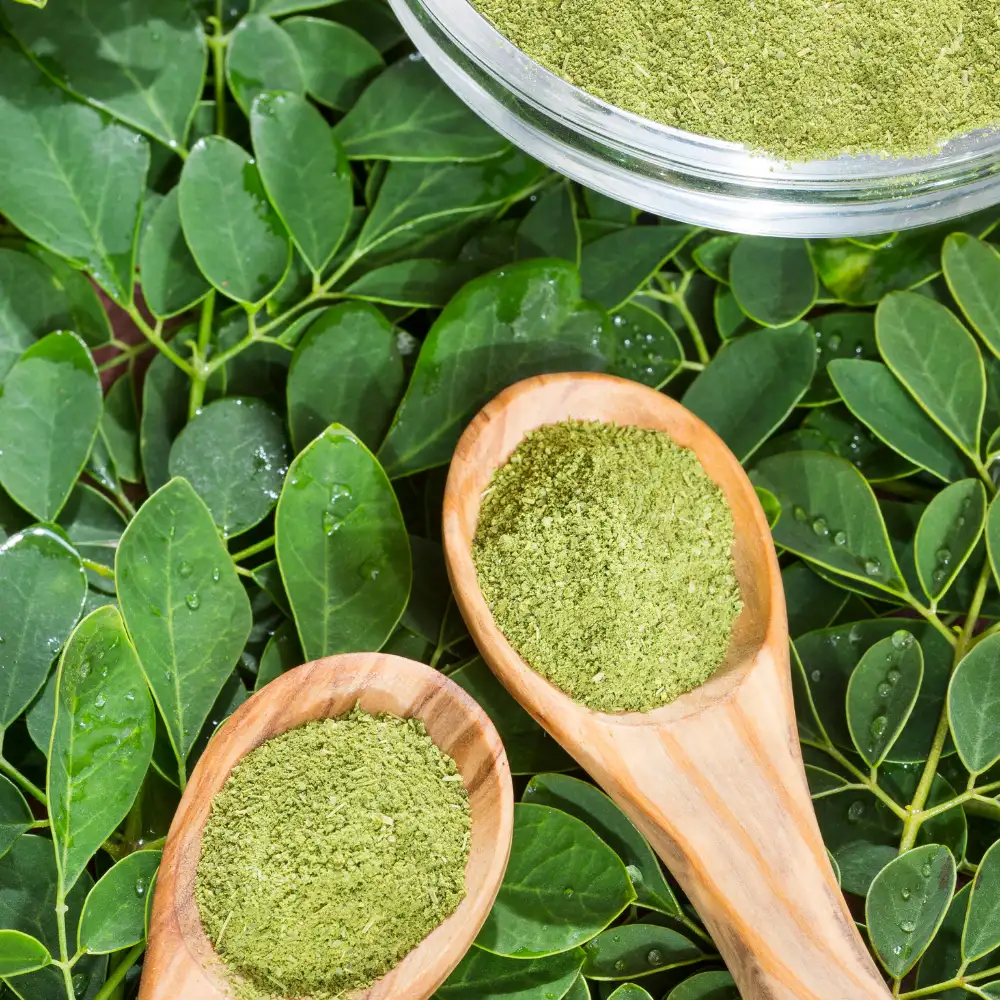
Moringa leaves begin oxidizing immediately after harvest. Delays, rough handling, excessive heat, and moisture exposure can destroy color, aroma, microbial quality, and heat-sensitive nutrients. Organic farming does not prevent processing failures. Poorly handled organic leaves will still yield inferior powder.
A hidden risk with conventional moringa is chemical wind drift. If conventional moringa is grown near industrial cotton or soy fields, wind can coat the leaves in unapproved chemical pesticides, causing the final powder to fail European Union import checks.
Mechanical low-temperature drying offers the best control, yet a claimed temperature means little without records. For verified shade-dried options, see our specifications on organic moringa powder shade dried, 80 mesh, and lab verified.
Contaminant Testing: MRL Thresholds and Lab Verification
Organic certification is an agricultural process claim. A Certificate of Analysis (COA) is a chemical safety fact. You must demand both.
| Testing Parameter | Why It Matters for B2B Buyers | Organic Safety Baseline | Conventional Safety Baseline |
|---|---|---|---|
| Pesticide Residues (GC-MS/MS) | Border rejections and consumer safety. | Must test undetectable for hundreds of banned synthetic chemicals. | Must only pass the legal Maximum Residue Limit (MRL) of the destination country. |
| Heavy Metals (Pb, Cd, As, Hg) | Prop 65 compliance (USA) and EU Food Safety. | Not guaranteed by organic status. Must be lab verified independently. | Not guaranteed. Heavy metals come from soil/water, not just pesticides. |
| Total Plate Count (Microbial) | Spoilage and gut pathogen risks. | Subject to handling cleanliness, not farming methods. (Target: <10,000 CFU/g). | Subject to handling cleanliness. Often irradiated (which voids organic status). |
| Salmonella / E. Coli | Severe foodborne illness. | Must be strictly negative. Organic manure use increases initial risk if improperly composted. | Must be strictly negative. |
Compare Moringa Traceability and Environmental Impact
A useful origin statement is more specific than “made in India.” India has many moringa-growing regions, multiple growing seasons, and supply chains ranging from vertically managed farms to networks of small brokers. Country of origin is the first traceability layer, not the last. Furthermore, certified organic farms often implement superior soil health practices, crop rotation, and water conservation methods that benefit long-term sustainability compared to intensive conventional agriculture.
Look for the state or growing region, the botanical name, the plant part, and the identity of the processor. Traceability must continue into the package. A lot or batch code lets the company connect the bulk bag to production records and test results. Without one, a COA cannot be reliably matched to what you bought. Review our B2B framework in the B2B bulk moringa powder supplier India guide for sourcing.
Price and Evidence Comparison Between Sample Products
Price should be the final filter because an inexpensive lot with no traceability offers poor manufacturing value. Normalize package sizes first, then account for documentation and waste risk:
| Comparison Point | Product A: Certified Organic | Product B: Regular or Unverified | Buying Significance |
|---|---|---|---|
| Package Price | $180 for 20 kg Bulk | $110 for 25 kg Bulk | Product B costs less at initial checkout. |
| Cost per Kg | $9.00 / Kg | $4.40 / Kg | Product A carries a substantial organic premium. |
| Organic Evidence | Current NOP certificate and named certifier. | “Organic-style” marketing wording only. | Treat Product B as conventional immediately. |
| Batch Traceability | Unique Lot Code printed on master drum. | No lot code shown; generic packing date. | Product A can be legally tied to processing records. |
| Current Lab Report | Microbes, heavy metals, and multi-residue pesticide screen matching Lot Code. | Undated general spec sheet downloaded from website. | Product B presents a massive supply chain compliance risk. |
Compare Moringa Powder Storage and Freshness Barriers
Moringa powder does not become superior simply because it has a long shelf life printed on the bag. Freshness depends on the time since processing, moisture protection, oxygen exposure, and warehouse climate control. For precise moisture thresholds and packaging criteria, consult our guide on moringa powder moisture specification for supplement, food, and cosmetic buyers.
Whether you buy organic or regular, prioritize a manufactured-on date over an expiry date. A best-before date tells you the end of the intended quality period, but not how old the powder is when you receive it. Industrial buyers must enforce stringent packaging: multi-layer opaque aluminum foil gusset bags or food-grade HDPE drums with induction-sealed closures.
Common Mistakes When Comparing Organic and Regular Moringa Powder
Request Technical Bulk Quotation
Bulk Industrial Organic Moringa Leaf Powder. Source lab-verified, pure Moringa oleifera powder standardized for low moisture, microbiological safety, and complete traceability.
Connect directly with SoilSaga Naturals' export desk. We supply certified bulk botanical ingredients to global manufacturers and distributors.
✓ USDA & EU NOP Certified Organic
✓ Strict Heavy Metal & Pesticide Screening
✓ Industrial Barrier Packaging & Cold-Chain Logistics
Email: info@soilsaganaturals.com
Sales Call: +91 9666691266
Urgent Supply: +91 9642226798
FAQ About Organic vs Regular Moringa Powder
Not necessarily. Organic certification addresses production and handling standards, not guaranteed nutrient superiority. Compare nutrition information on an equal-weight basis and prioritize current product evidence.
Yes. Organic certification does not rule out microbes, environmental heavy metals, accidental contamination, or processing failures. Request batch-specific results and confirm that the lot number on the report matches the package.
Look for a recognized organic seal, the certifier's name, and a current certificate covering the relevant company and product. Verify the certificate through the certifier or official program when possible.
It should identify the product and batch, sample and test dates, laboratory, methods, results, units, and acceptance limits. Useful coverage includes identity, microbial quality, relevant heavy metals, and an appropriate pesticide screen.
Not automatically. Darkening can be associated with leaf maturity, heat, oxidation, age, or storage, but natural variation exists. Reject powder with damaged packaging, moisture, severe clumping, or an abnormal musty odor, and contact the seller.