Industrial Buyer's Guide: How to Verify Pure Moringa Leaf Powder Quality
Two moringa powders can look identical online while differing in age, storage conditions, plant parts, and contamination controls. SoilSaga Naturals applies an evidence-first evaluation framework for industrial bulk procurement.
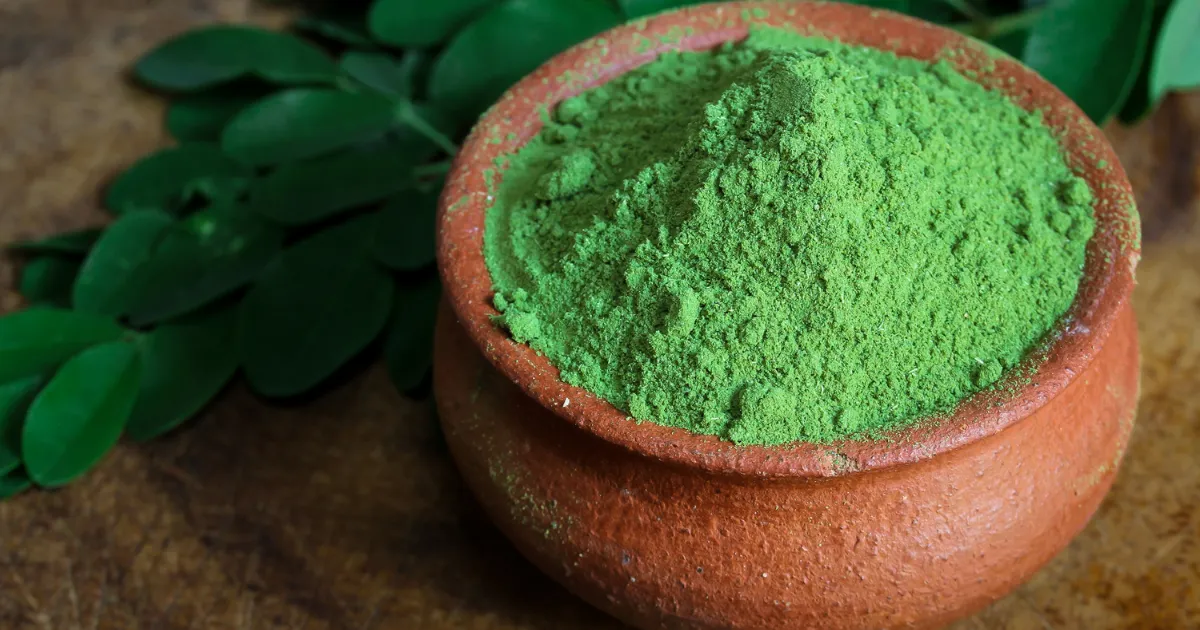
Purchasing botanical powders online or through digital B2B channels often exposes procurement teams to high risks of misinformation, adulteration, and substandard storage. Two separate batches of moringa powder can appear virtually identical in high-resolution digital marketing photographs while having vastly different age profiles, post-harvest drying conditions, plant part ratios, and microbiological safety standards. Relying solely on a bright green product image or a vague organic marketing seal is never enough for professional manufacturing requirements. For a deeper perspective on managing agricultural supply chains and botanical standards, you can also explore our core technical resource on checking moringa powder quality: 8 things to verify.
At SoilSaga Naturals, we enforce a strict evidence-first evaluation framework: verifying batch-specific testing documents, certified plant identities, and verifiable laboratory reports always outweighs subjective visual claims or marketplace review counts.
Quick Answer: Moringa Quality Verification Workflow
Do not rely on online marketing photos, bright green descriptions, or review counts. Use this systematic sequence before confirming a commercial transaction:
1. Inspect Label & Identity
Verify that the ingredient declaration specifies pure Moringa oleifera leaf powder without fillers, additives, or ambiguous extracts.
2. Evaluate Batch Traceability
Check for a unique lot code, verified packaging date, expiration timeline, and clear manufacturer contact coordinates.
3. Audit Certifications
Confirm organic compliance (USDA, EU NOP) and facility food safety systems directly with the issuing certification body.
4. Review Lab COA Evidence
Examine batch-specific microbiological, heavy metal, and pesticide screening results linked to your specific delivery lot.
The Importance of Botanical Sourcing Transparency
Botanical ingredients like moringa are profoundly influenced by regional soil properties, harvesting seasons, and post-harvest handling. When purchasing bulk quantities for commercial food, supplement, or cosmetic formulations, transparency regarding origin and processing is non-negotiable. Unverified supply chains frequently blend stem material or exhausted residues into fine powders to lower production costs, severely degrading nutritional efficacy and safety.
SoilSaga Naturals maintains absolute transparency across every tier of our supply chain. From certified organic cultivation fields to our advanced milling and packaging facilities, every lot is subjected to rigorous testing. By documenting every processing parameter, we empower global buyers with complete confidence in the purity and performance of our botanical ingredients.
Check the Moringa Powder Ingredient List First
The front of any retail or industrial packaging functions primarily as advertising space. Professional buyers must turn immediately to the ingredient panel or full label specification sheet.
For standard leaf powder, the ingredient listing must state “Moringa oleifera leaf powder” or equivalent botanical terminology. This confirms both the exact species and the specific plant part utilized. Generic terms like “moringa powder” lack precision because moringa seeds, roots, bark, and whole leaves possess vastly different phytochemical profiles.
Furthermore, check for unauthorized bulking agents, sweeteners, or botanical blends. While intentional formulations exist, pure leaf powder must never be benchmarked against diluted products on price or active content.
Comparative Evaluation: Evidence vs. Marketing Claims
Use this structured evidence hierarchy when contrasting competing powder options before finalizing your supplier selection.
| Evaluation Parameter | Strong Objective Evidence | Weak Promotional Indicator | What It Fails to Prove |
|---|---|---|---|
| Identity | Complete label naming Moringa oleifera leaf powder. | Catchy phrases like "Pure Superfood Blend". | Absence of hidden agrochemical contamination. |
| Color Profiling | Natural-looking batch sample with consistent lot records. | Over-saturated studio stock photography. | Biological microbiological safety or heavy metal loads. |
| Packaging Integrity | Opaque, multi-layer barrier pack with tamper-evident seal. | Clear decorative pouch lacking security features. | Storage temperature compliance prior to packing. |
| Traceability | Traceable lot code mapped to harvest and milling logs. | Removable retailer sticker with no batch code. | Long-term stability without active lab validation. |
| Laboratory Assay | Current ISO 17025 COA matching package lot number. | Generic, undated test summary on website footer. | Future storage environmental degradation. |
Analyze Color, Smell and Texture Without Falling for Illusions
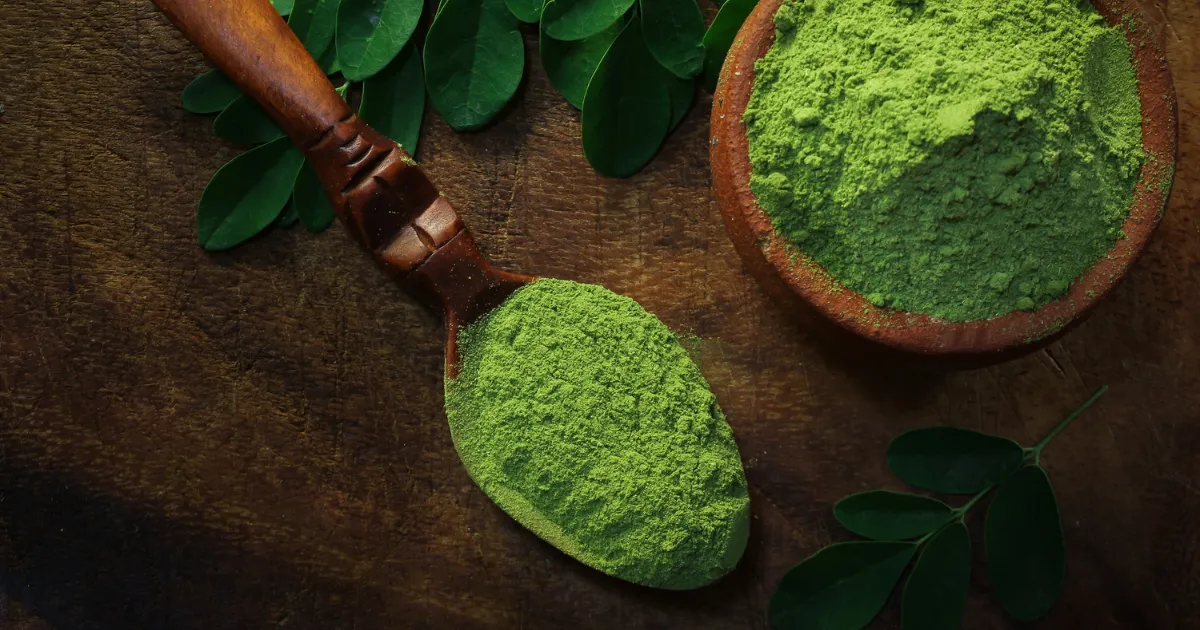
High-grade moringa leaf powder displays a natural green to olive-green hue. Exact shades shift due to leaf maturity, drying thermal thresholds, and milling technique. Avoid assuming ultra-vivid neon green indicates superior freshness, as digital images are frequently color-corrected.
Fresh powder should present a mild, earthy, grassy aroma. Reject batches exhibiting musty, sour, smoky, or rancid odors. Texture must be exceptionally fine and dry; hard agglomerates or visible moisture point toward structural packaging failures.
Technical Specification Contract for Bulk Moringa Sourcing
Establishing clear technical thresholds prevents disputes and protects your manufacturing lines from out-of-specification botanical inputs.
| Parameter Category | Standard Industrial Threshold | Analytical Testing Method |
|---|---|---|
| Moisture Content | Max 7.0% - 9.0% w/w | Gravimetric Karl Fischer / AOAC |
| Foreign Matter | Zero Tolerance (0.0%) | Macroscopic & Microscopic Examination |
| Total Plate Count (TPC) | < 10,000 CFU/g | ISO 4833 Microbiological Assay |
| Pathogens (Salmonella / E. coli) | Strictly Negative (Absent in 25g) | PCR / Immunological Screening |
| Heavy Metals (Pb, Cd, As, Hg) | Compliant with EU / FDA Food Directives | ICP-MS Inductively Coupled Plasma Mass Spectrometry |
| Pesticide Residues | Non-detected multi-residue screen | GC-MS/MS and LC-MS/MS Screening |
Certifications and Laboratory Assays: What Matters Most
| Certification Type | What It Verifies | What It Does NOT Guarantee |
|---|---|---|
| USDA / EU Organic | Compliance with agricultural input and soil management protocols. | Specific pathogen-free status of the final packaged lot. |
| ISO 22000 / HACCP | Facility-level hazard analysis and hygiene management systems. | Zero heavy metal or pesticide residues in a specific batch. |
| ISO/IEC 17025 Lab COA | Technical competence of the testing laboratory and instrument accuracy. | Consistent quality across future unverified production runs. |
| FSSAI Registration | Legal domestic business entity operating license in India. | Export-grade phytosanitary compliance for international shipments. |
Packaging and Storage Blueprint to Preserve Quality
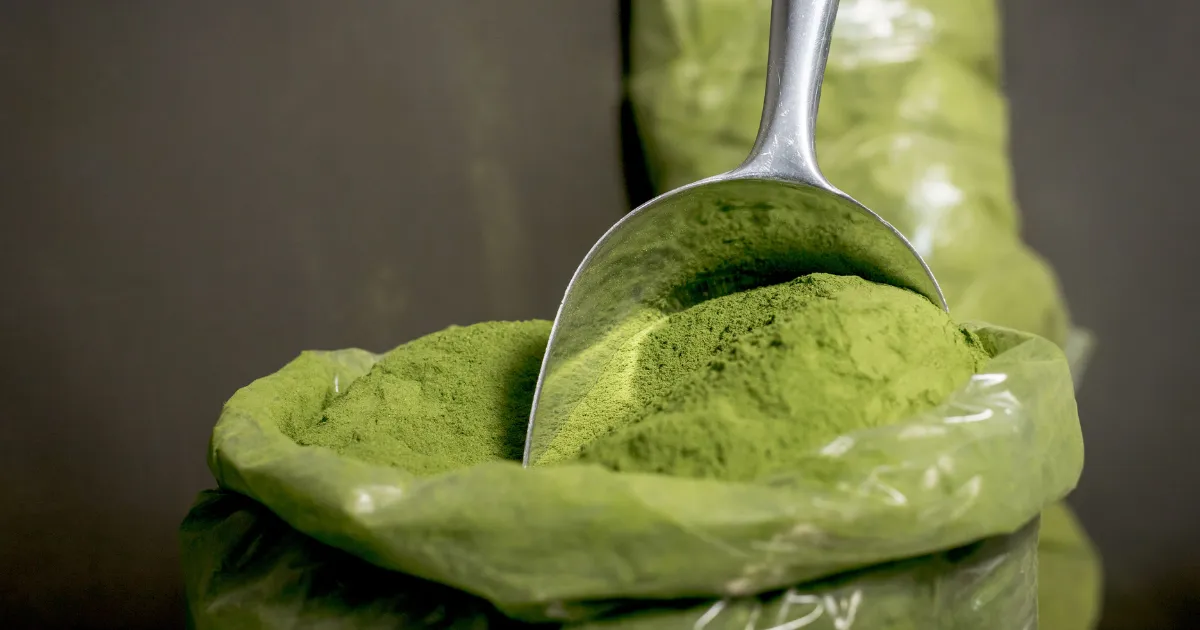
Moringa powder degrades rapidly when subjected to ambient moisture, elevated heat, oxygen ingress, and ultraviolet radiation. Industrial buyers must enforce stringent packaging and warehousing protocols:
- Barrier Protection: Utilize multi-layer opaque aluminum foil gusset bags or food-grade HDPE containers equipped with induction-sealed closures.
- Climate Control: Store inventory in climate-controlled environments maintained between 15°C and 20°C with relative humidity kept strictly below 60%.
- Containerized Transit: For export consignments, deploy dry shipping containers lined with kraft paper, supplemented by active silica gel desiccant blankets to eliminate condensation risks.
Common Mistakes When Procuring Moringa Powder
Request Technical Bulk Quotation
Bulk Industrial Organic Moringa Leaf Powder. Source lab-verified, pure Moringa oleifera powder standardized for low moisture, microbiological safety, and complete traceability.
Connect directly with SoilSaga Naturals' export desk. We supply certified bulk botanical ingredients to global manufacturers and distributors.
✓ USDA & EU NOP Certified Organic
✓ Strict Heavy Metal & Pesticide Screening
✓ Industrial Barrier Packaging & Cold-Chain Logistics
Email: info@soilsaganaturals.com
Sales Call: +91 9666691266
Urgent Supply: +91 9642226798
FAQ About Moringa Powder Quality
It is usually green to olive-green, with natural variation between harvests and processing methods. Brown, gray, or unusually yellow powder can indicate age, excess heat, oxidation, moisture exposure, or excess stems. Color is a screening clue, not proof of purity or safety.
At home, you can inspect the seal, batch markings, color, smell, texture, and visible cleanliness. You can also verify certificates and compare the package lot with the COA. Home tests cannot reliably measure heavy metals, pesticide residues, or microbiological contamination. Those require appropriate laboratory methods.
No. Organic certification covers defined production and handling requirements. It does not guarantee that a specific batch passed every relevant heavy metal or microbiological test. Verify the organic certificate and request a matching batch report.
Yes. Color and aroma are subjective, and other plant materials may look or smell similar after grinding. A complete ingredient label, supply-chain records, microscopy, chemical methods, or other laboratory analysis can provide stronger identity evidence. Consumers should not rely on informal water, flame, or sediment tests promoted on social media.
Use the manufacturer’s instructions and best-before date as the starting point. Actual quality depends on the package, humidity, heat, light, and how often it is opened. Write the opening date on the package and discard the powder if its smell, appearance, or texture indicates spoilage.
Follow the serving directions for the specific product and discuss regular use with a qualified healthcare professional when you have health conditions or take medication. A teaspoon is not a standardized dose because spoon dimensions and powder density differ.