Industrial Turmeric Cultivar Selection for High Curcuminoid and Turmerone Targets
A turmeric powder yielding elevated visual chromophores in a dry matrix frequently underperforms when isolated for standardized curcuminoid fractions. Procurement teams must bypass generic naming conventions and match precise phytochemical baselines to their final extraction and manufacturing goals.
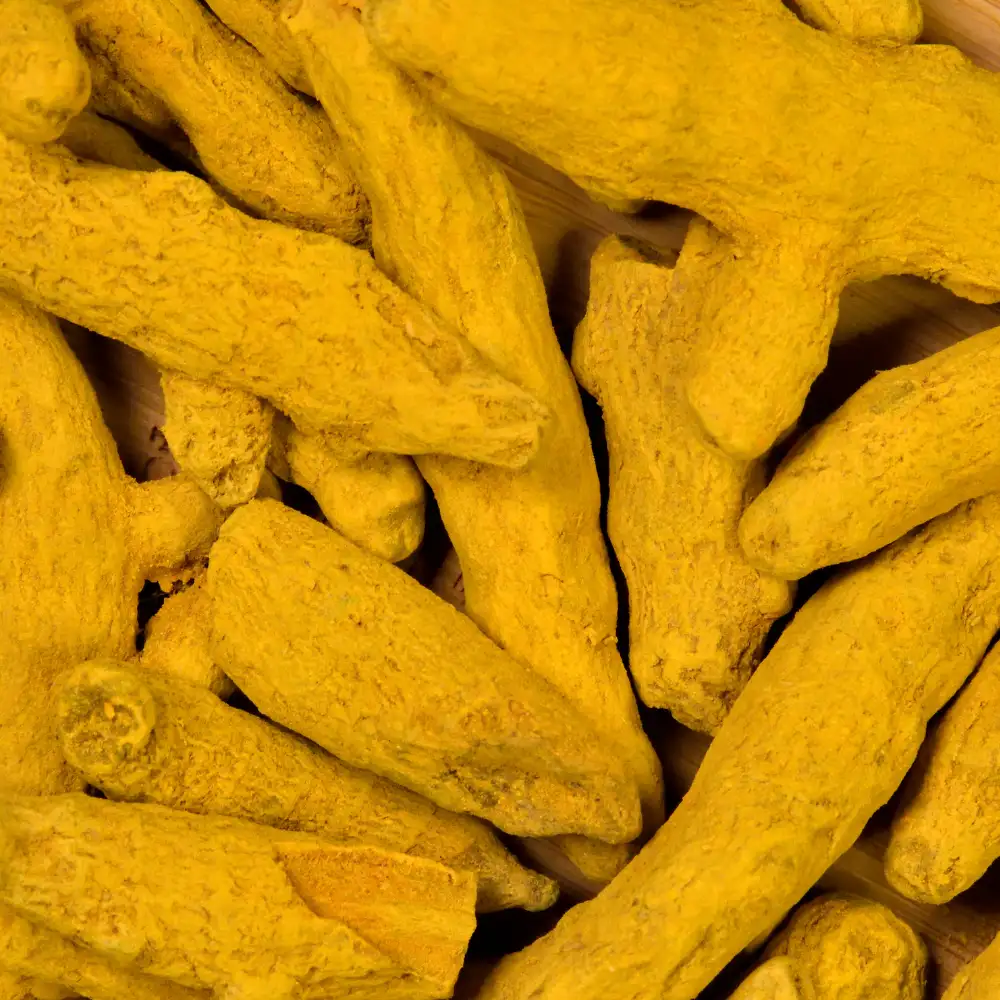
Development of High-Yielding Varieties of Turmeric
Clonal Selection Protocols
Agricultural engineering focuses on stabilizing baseline expressions prior to commercial scaling. Cultivar development relies predominantly on clonal selection from established regional germplasms rather than active cross-hybridization, given that turmeric rarely sets viable botanical seed.
Yield Generation & Stability
This selection process mathematically evaluates rhizome weight, maturation timeline, and active compound synthesis. For example, the deployment of IISR Pragati achieved a stable generation of 5.02% curcumin across varied climatic zones, offering an engineered alternative to volatile local landraces.
Balance Agronomic Trade-Offs for Supply Stability
Processing metrics must align with agricultural realities to ensure a stable supply chain.
| Agronomic Metric | Industrial Advantage | Trade-Off / Consideration |
|---|---|---|
| Short-Duration (e.g., IISR Pragati — 180 days) | Saves weeks of field irrigation, reduces overhead costs, and accelerates time-to-market. | Often yields slightly lower peak curcumin levels compared to ultra-long 9-month varieties. |
| Long-Duration (e.g., Armoor — 270 days) | Maximizes overall biomass, raw yield per hectare, and allows deep curcumin maturity. | Higher risk exposure to field pests, soil-borne diseases, and seasonal weather disruptions. |
| Disease Resistance (e.g., Suvarna, CO 2) | Protects against devastating cash-crop losses like Rhizome Rot and Leaf Blotch. | Limits your cultivar pool; can require compromise on specific localized soil adaptabilities. |
Lakadong: For Curcuminoid-Led Programs
Lakadong is frequently associated with high-curcumin turmeric in commercial trade. That reputation makes it a logical first sample for an application seeking stronger curcuminoid input per unit of powder. It can suit a premium culinary powder when color and positioning support the cost, and it can be a worthwhile feedstock candidate for curcuminoid extraction.
Request chromatographic data for every shortlisted lot. Total curcuminoids alone may be adequate for a food blend. Isolation work benefits from the individual peak areas or concentrations for Curcumin, DMC, and BDMC, since the distribution affects downstream fraction planning.
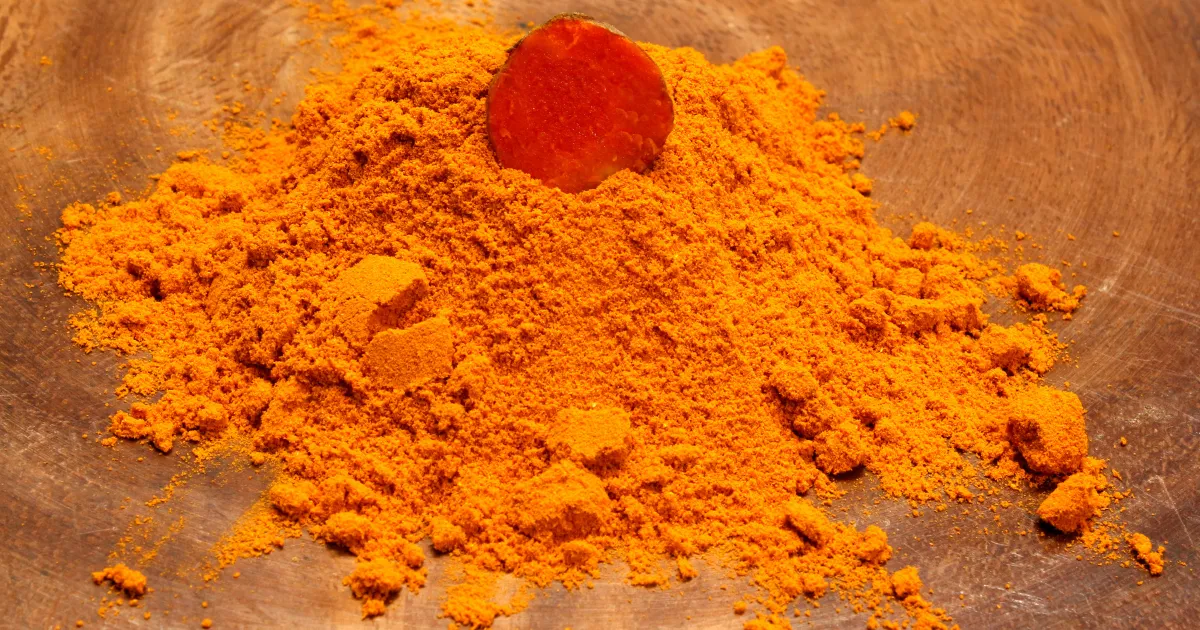
Map the Cultivar to Your Ingredient Target
| Ingredient Target | Primary Metric Needed | Optimal Cultivar Shortlist | Selection Rationale |
|---|---|---|---|
| Nutraceutical Extracts & Curcumin Crystals | High Curcumin (6%–9%) | Lakadong, IISR Pragati, Salem | Lowers the biomass-to-extract ratio, optimizing processing throughput and solvent costs. |
| Essential Oils & Oleoresins | High Volatile Oils (4%–6%) & Extractives | IISR Kedaram, IISR Prabha, Armoor | Rich in aroma compounds and volatile fractions optimized for solvent extraction. |
| Retail Spice Powders (Blends) | Deep Color, Medium Curcumin (3.5%–5%) | Erode, Sangli, BSR 3 | Focuses on vibrant pigmentation, stability, and broad consumer aroma profiles. |
| Mass Food Processing & Bulking | High Dry Recovery (>22%) & Uniformity | Nizamabad, Rajendra Sonia, CO 2 | Large, uniform rhizome sizes reduce automated sorting time and washing loss. |
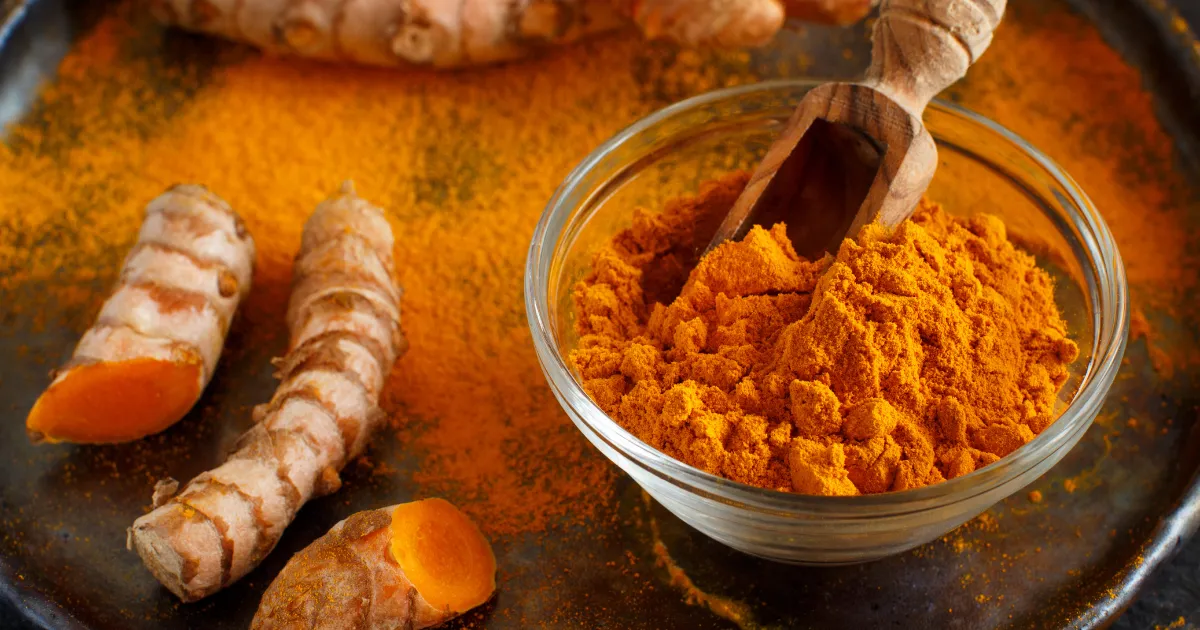
Salem: For Balanced Food Manufacturing
Salem turmeric commonly fits a buyer who needs a practical middle ground across color, aroma, availability, and cost control. It is often a strong candidate for curry powder manufacturing, seasoning blends, prepared sauces, and bulk food service recipes.
Run a heated application trial. Heating, fat level, salt, acids, and companion spices can change perceived turmeric aroma. Compare Salem samples against the current approved lot at the intended dosage, rather than judging them from dry powder alone.
Cultivar Profile & Selection Framework
| Cultivar | Curcuminoid Content (%) | Essential Oil Content (%) | Primary Industrial Application |
|---|---|---|---|
| Lakadong | 7.0% – 12.0% | 3.0% – 5.0% | Nutraceutical isolates, pharma-grade curcuminoids |
| Rajendra Sonia | 7.5% – 8.0% | High (Rich in total Turmerones) | Dual-target extraction (Curcumin & Essential Oil fractions) |
| Sobha | 7.39% | 4.0% – 5.0% | High-yield oleoresin extraction |
| Sudarshana | 5.3% | 7.0% | Volatile essential oil distillation, cosmetic turmerones |
| Alleppey Supreme | 4.0% – 7.0% | 3.5% – 5.5% | Premium food colorants, blended aromatics |
Alleppey: For Color and Oleoresin-Focused Work
Alleppey turmeric is commonly selected where deeper color expression and a fuller turmeric identity are important. That makes it an appropriate candidate for color-forward food systems and initial oleoresin screening.
Oleoresin formulation requires more than a curcuminoid assay. Measure viscosity at a defined temperature, inspect solubility in the intended oil or carrier, and evaluate aroma after the process exposure. For an oil-dispersed product, a GC-MS profile can show whether the volatile fraction supports the desired turmerone character.
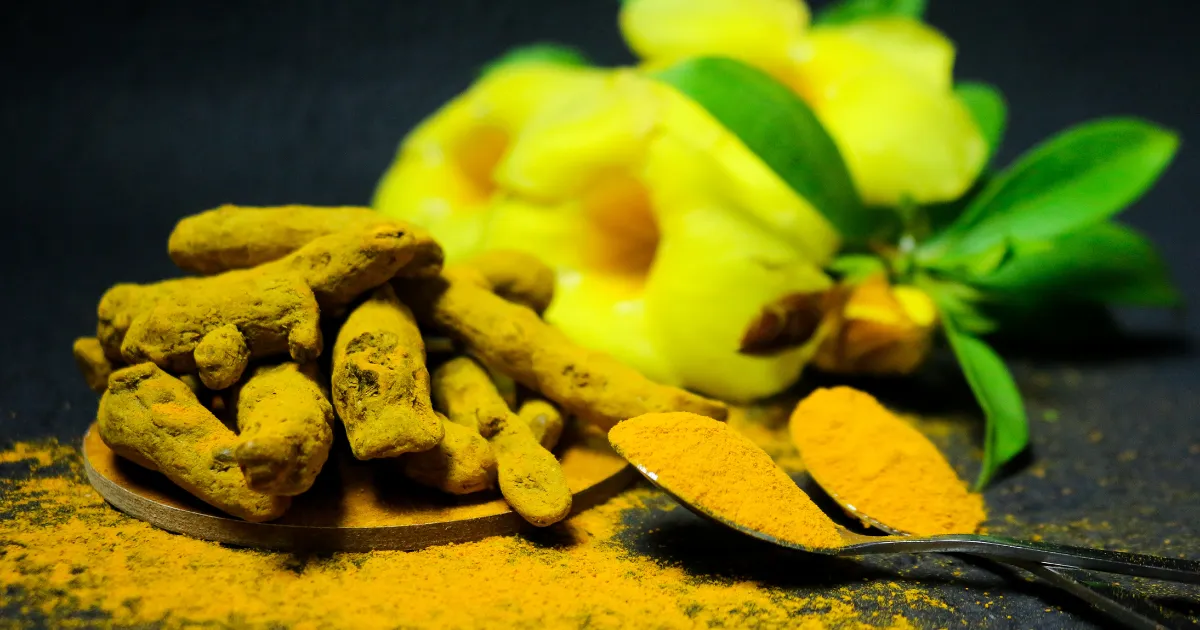
Match Commercial Cultivars to Application
| Cultivar or Market Type | Typical Commercial Strength | Best Starting Applications | Analytical Priority | Main Sourcing Risk |
|---|---|---|---|---|
| Lakadong | Often sought for elevated curcuminoid content | Standardized extracts, premium high-color powder, curcuminoid-led formulations | HPLC total and individual curcuminoids | Paying a premium without lot-level assay confirmation |
| Salem | Balanced color, culinary character, and broad availability | Curry blends, seasoning systems, general food manufacturing | Curcuminoids, moisture, sensory profile, microbiology | Assuming every Salem lot has the same aroma or color |
| Alleppey | Deep orange-yellow appearance and valued oleoresin potential | Color-forward sauces, oleoresin, prepared foods | Color, volatile oil, HPLC, GC-MS for aroma projects | Selecting solely by visual color without extraction trial |
| Erode | Widely used commercial turmeric for practical volume programs | Economy spice blends, institutional foods, general powder use | Moisture, color, cleanliness, microbiology, total curcuminoids | A low-cost lot creating higher dosage or rework costs |
Erode: Broad-Volume Economy Programs
Erode is a practical sourcing candidate for large-volume food powder use where consistent operations and sensible ingredient economics drive the brief. It can work well in spice blends, restaurant-scale production, and institutional food applications after quality qualification.
Use dosage trials to calculate the effective cost in the formula. A lower-cost powder that needs a significantly higher inclusion rate can weaken the financial case. Color, flavor, and curcuminoid input all affect that calculation.
Turmeric Chemistry: Curcuminoids & Turmerones
Curcuminoids & Turmerones
Turmeric possesses two industrially paramount chemistry groups. Curcuminoids are the yellow diarylheptanoids quantified in a curcumin profile; the principal components are Curcumin (CCM), DMC, and BDMC. Turmerones are volatile sesquiterpenes associated with the aromatic oil fraction, commonly evaluated in oleoresin or sensory flavor applications.
Formulation Intent
A food manufacturer producing dry curry powder prioritizes dispersible color, flavor fit, particle size, and lot-to-lot consistency. An extract producer requires a precisely defined curcuminoid feedstock profile, extraction yield, and predictable behavior through chemical purification.
Purchase Specifications
Set the target within the purchase specification before initiating supplier contact. Mandate total curcuminoids if the material is a powder ingredient. Require individual CCM, DMC, and BDMC values where isolation operations depend on relative composition. Demand volatile-oil and GC-MS data where aroma ratios affect the product.
Extraction Economics
Curcumin purity is a downstream processing outcome. Starting material establishes extraction economics, while solvent choice, thermal conditions, crystallization, and purification parameters govern the final analytical purity limit.
Verify Industrial Selection With Rigorous Analytical Testing
A cultivar claim provides limited process control. Build a testing plan that corresponds to the finished application and the food-safety program.
- Powder Verification: Establish acceptance criteria for identity, particle size, moisture, total curcuminoids, visual color, microbiological status, heavy metals, pesticide residues, and foreign material. Food facilities importing or receiving spices should connect supplier verification to their preventive-control program (e.g. 21 CFR Part 117).
- Extract & Aroma Verification: For oleoresin or aroma work, add volatile-oil content, solvent-residue requirements where relevant, viscosity, carrier compatibility, and GC-MS markers. A high total curcuminoid result does little to predict aroma retention. GC-MS and sensory evaluation fill that gap.
- Lot Retention: Keep a retained sample from each approved production lot. This makes it possible to investigate a later color shift, flavor complaint, or extraction-yield change against the actual incoming material.
Set Packaging and Handling Requirements Before Approval
Powder quality can decline after processing through moisture pickup, odor absorption, light exposure, or poor warehouse conditions. State the desired net weight, liner requirement, lot coding, pallet configuration, and storage conditions in the purchase order.
- Food-grade packaging should protect the powder from moisture and prevent cross-contact during transport.
- For aroma-sensitive material, ask how long the product has been stored after milling and whether packaging limits oxygen exposure. For whole turmeric, plan for the yield loss and cleaning step before milling.
- Supplier documents support the release decision, while incoming checks protect the factory. Inspect seal integrity, package labeling, lot identity, odor, color, and any evidence of moisture exposure when the shipment arrives.
A Worked Example: Curry Sauce & Isolate Extraction
The Operational Scenario
A manufacturer requires raw turmeric for two distinct products: a shelf-stable curry sauce and a curcuminoid-rich dietary supplement isolate. The procurement team initially defaults to the Lakadong cultivar for both pipelines due to its high-curcumin reputation.
Trial Discrepancies
The Lakadong sample performs excellently in HPLC screening for the supplement isolate. However, in the heated curry sauce trial, its procurement cost and specific volatile aroma profile create a poor sensory fit at the required dosage. The sauce requires warmth and visible orange-yellow color after retort thermal processing.
The Engineered Solution
The Salem lot yields the most balanced flavor profile in the finished sauce matrix. The Alleppey lot delivers superior visual color, becoming the preferred option to reduce total turmeric inclusion volume. The Lakadong lot is exclusively routed as feedstock for the curcuminoid isolation project.
Procurement Lesson
Treating one technical target (high curcumin) as a universal procurement rule generates process failure. Distinct product briefs necessitate distinct cultivar sourcing decisions based on empirical testing data.
How SoilSaga Naturals Helps Move From Preference to Purchase Brief
Define The Technical Request
The fastest way to turn theoretical requirements into a buying conversation is to prepare a one-page technical request. Include the intended application matrix, monthly volume, target cultivar (with accepted alternatives), desired mesh range, and required assay data.
Format Selection
For whole-rhizome evaluation or in-house milling, review the available whole turmeric bulk pack. Whole material gives a manufacturer more control over milling and can support incoming visual inspection, although it adds grinding, dust management, and process-validation work.
Ask Direct Sourcing Questions
Send the specification and sample request through our export desk. Ask direct questions: Which lot is available? Which tests accompany the lot? Can the sample represent the production supply? Can the supplier meet the planned packaging and delivery format?
Prevent Golden Samples
Asking explicit, data-driven questions avoids an approval based on a "golden sample" that differs significantly from the dispatched commercial lot.
Common Mistakes in Industrial Turmeric Selection
The most expensive errors usually happen before the first full production run. Avoid these failures:
Request Technical Bulk Quotation
Bulk Industrial Turmeric from India. Specify your target cultivar or approved alternatives, desired mesh range, and required assay data. Whole-rhizome and fine-milled powder formats available for immediate export.
Connect directly with SoilSaga Naturals' engineering and export desk. We supply verified, HPLC-tested bulk quantities to global manufacturing facilities.
✓ EU / NOP Certified Organic Options
✓ Strict Microbiological & Pesticide Verification
✓ Custom Packaging (Nitrogen Flushed MAP / Bulk Drums)
Email: info@soilsaganaturals.com
Sales Call: +91 9666691266
Urgent Supply: +91 9642226798
FAQ About Turmeric Cultivar Selection
Lakadong is widely marketed for higher curcuminoid potential. Actual curcumin content varies by lot, season, handling, and testing method. Require an HPLC certificate for the specific material offered and retain a sample for confirmation.
Alleppey is a credible starting point for color-forward and oleoresin projects because of its established commercial positioning. Run extraction, viscosity, solubility, sensory, and GC-MS testing on the offered lot before setting it as the approved standard.
Yes. Salem commonly suits curry powder and seasoning work because it can provide balanced color and culinary character. Validate performance alongside the other spices, especially after the blend is cooked in its intended food application.
A total curcuminoid value may be sufficient for many culinary powder applications. Individual CCM, DMC, and BDMC results become more useful for extraction, standardization, fraction isolation, and technical product development.
Buy ground turmeric when manufacturing needs speed, consistent particle size, and simpler receiving. Buy whole turmeric when in-house milling and added control over the grinding stage justify the extra operations. Approve either format against the same chemical and food-safety specification.