How to Choose an Indian Dry Red Chilli Exporter: Teja S17, Sannam 334, Byadgi & Wrinkled 273
A buyer can order the right chilli variety and still receive a lot that fails in production. Red Chilli exports require backward integration: define what the chilli must do, select the likely variety, and verify the actual lot through HPLC and ASTA metrics before dispatch.
Quick Answer: Exporter Selection Workflow
Do not buy on a photograph, variety name or quoted heat range alone. Use this workflow before confirming a commercial order:
1. Define Processing Intent
Define whether the chilli is for sauces, seasoning, grinding, flakes, oleoresin extraction, or whole-pod retail. This dictates physical and chemical limits.
2. Set Measurable Requirements
Set technical limits for heat (SHU), colour (ASTA), moisture, pod condition, foreign matter, and destination-specific residues.
3. Approve & Retain Samples
Compare Teja S17, Sannam 334, Byadgi and Wrinkled 273 against the intended use. Approve a representative sample and retain a sealed reference sample.
4. Verify Laboratory Documents
Verify lot-specific certificates of analysis, food safety (e.g. 21 CFR Part 117), export, and phytosanitary documents before container stuffing.
Start with the End Use
The same chilli does not suit every processor. A sauce manufacturer cares about repeatable pungency and extraction into a wet recipe. A spice blender may need heat plus colour. A company packing whole pods for retail will pay closer attention to visual uniformity, stem condition, breakage, and pod size.
Start by documenting the finished product. Consider a food manufacturer wanting whole dried chillies for an industrial hot sauce. Its recipe needs strong heat, but the finished sauce must also have a deep red appearance. The buyer initially asks for Teja S17 because it is widely associated with high pungency.
That request is incomplete. If the approved Teja lot supplies the heat but not enough colour, the buyer may need a separate colour-rich chilli component (like Byadgi). The decision depends on production trials, not reputation.
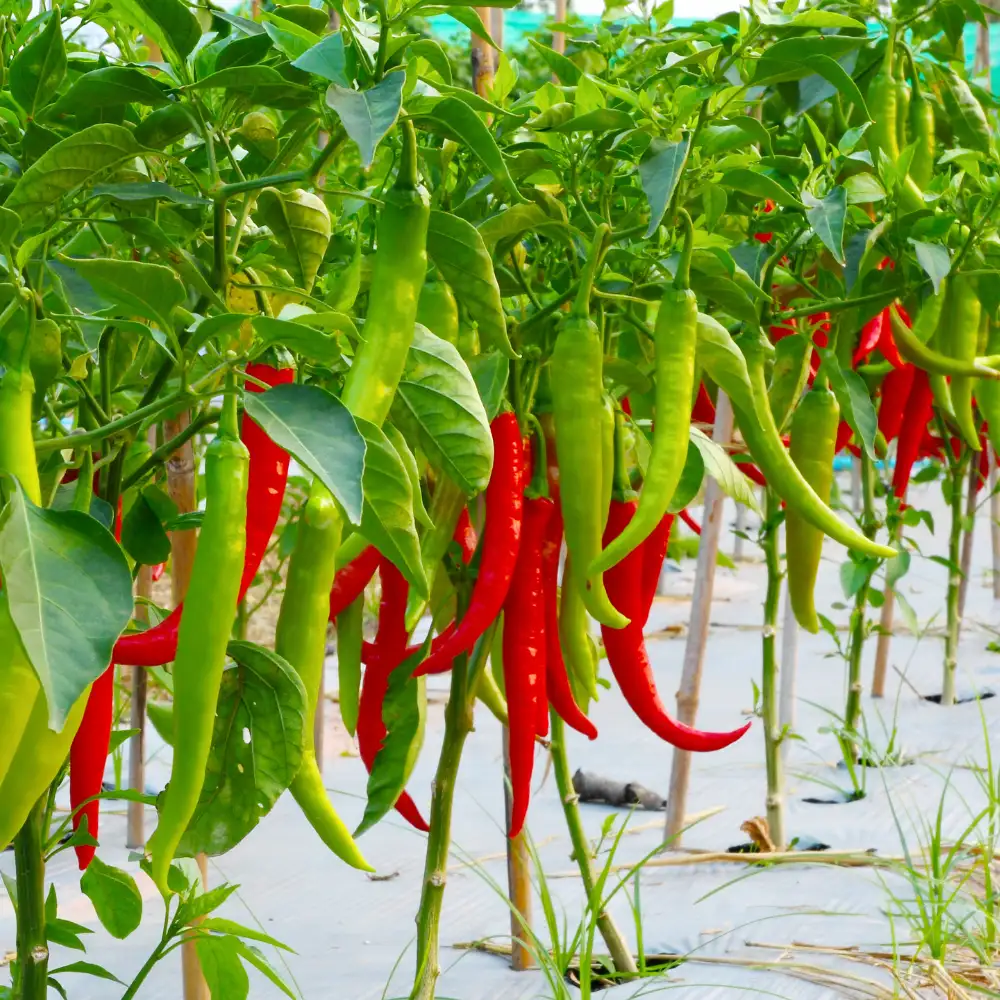
Whole Chilli, Flakes, Crushed Pepper or Powder?
The choice depends entirely on when you add them to the dish and how you want the heat and flavor released. Keeping formats separate prevents early purchasing mistakes.
| Form | Best Used For | Heat & Flavor Profile | When to Add |
|---|---|---|---|
| Whole Chilli | Infusing oils, broths, stews, and slow-cooked dishes. | Slow, mellow release of heat; easily removed before serving. | At the very beginning (in oil or simmering liquid). |
| Chilli Flakes | Pizzas, pastas, stir-fries, and dry rubs. | Sharp, sudden bursts of heat when you bite into a seed or flake. | Near the end of cooking or as a table condiment. |
| Crushed Pepper | Texture-heavy dishes, marinades, and pickling. | Similar to flakes, but often more uniform; provides a rustic texture. | During cooking or in marinades. |
| Chilli Powder | Curries, sauces, taco seasoning, and batters. | Instant, evenly distributed heat and deep color throughout the dish. | Mixed with other spices during the cooking process. |
Oleoresin is different again. It is a concentrated extract used where controlled pungency, colour or flavour is needed without adding whole chilli solids. Buyers sourcing raw chilli for extraction normally focus on recoverable capsaicinoids, colour compounds, storage history and extraction yield.
Set Verifiable Specifications For Heat and Colour
Instrumental Pungency (SHU)
Scoville terminology can create false confidence. State whether pungency will be determined through instrumental HPLC analysis. Identify the sampling point, reporting basis, and acceptable range. If the result falls outside that range, the contract should dictate blending, downgrading, or rejection terms.
Objective Colour (ASTA)
Bright-looking whole pods under warehouse lighting do not guarantee strong colour after grinding. Request objective colour testing, reported in ASTA colour units, on a representative sample prepared in a defined way. Storage history (temperature, oxygen) heavily influences current colour validity.
Technical Specification Contract for Chilli Shipments
Avoid copying limits from an old supplier sheet. The legal and customer requirements for a product entering the European Union may differ from those applying elsewhere. Below is an industrial reference framework.
| Parameter Category | Specification Limit | Verification / Test Method |
|---|---|---|
| Moisture Content | Max 10.0% - 12.0% w/w | ISO 939 / AOAC 966.10 |
| Physical Defects | Extraneous: <1.0% | Damaged: <2.0% | Broken: <5.0% | ISO 927 / Visual separation / Agmark |
| Pungency (Capsaicinoids) | Med: 15k–35k SHU | High (Teja): 60k–100k+ SHU | HPLC / AOAC 995.03 |
| Extractable Color | 50 - 90 ASTA units (varies by grade) | ASTA Method 20.1 / Spectrophotometry |
| Mycotoxins | Aflatoxin B1 Max 5.0 ppb | Total Max 10.0 ppb [EU limits] | LC-MS/MS / HPLC |
| Sudan Dyes (I-IV) | Strictly Negative (Non-detected) | LC-MS/MS |
| Pesticide Residues | Compliant with destination MRLs (e.g., EU/FDA) | GC-MS/MS / LC-MS/MS screen |
Compare Teja S17, Sannam 334, Byadgi and Wrinkled 273
| Variety | Relative Heat Profile | Colour Profile | Typical Pod Appearance | Common Commercial Uses |
|---|---|---|---|---|
| Teja S17 | Selected for high heat | Moderate to good, dependent on lot/storage | Relatively small to medium, slender pods | Hot sauces, pungent powders, capsaicin extraction |
| Sannam 334 | Medium to high heat | Generally useful commercial red colour | Medium-length, fairly slender pods | Multipurpose grinding, sauces, seasoning |
| Byadgi | Lower in heat than Teja | Valued for strong red colour | Long, thin and characteristically wrinkled pods | Colour-focused powders, blends, oleoresin |
| Wrinkled 273 | Heat-colour balance | Good red colour available | Wrinkled commercial pod type | Grinding, blended chilli powder, food processing |
Teja S17: The Heat King
This is India’s hottest commercial chilli variety. It has a fierce, immediate heat and a powerful aroma. Because the skin is thin, it grinds easily but yields lighter-colored powder. Sourced primarily from Guntur, Andhra Pradesh and Khammam, Telangana.
Do not assume every Teja lot will reach the same pungency. Request the result for the lot being offered and compare it with the tolerance in the formulation. A processor with a narrow recipe tolerance may need pre-shipment testing and an incoming verification test.
Sannam 334 (S4): The Global Benchmark
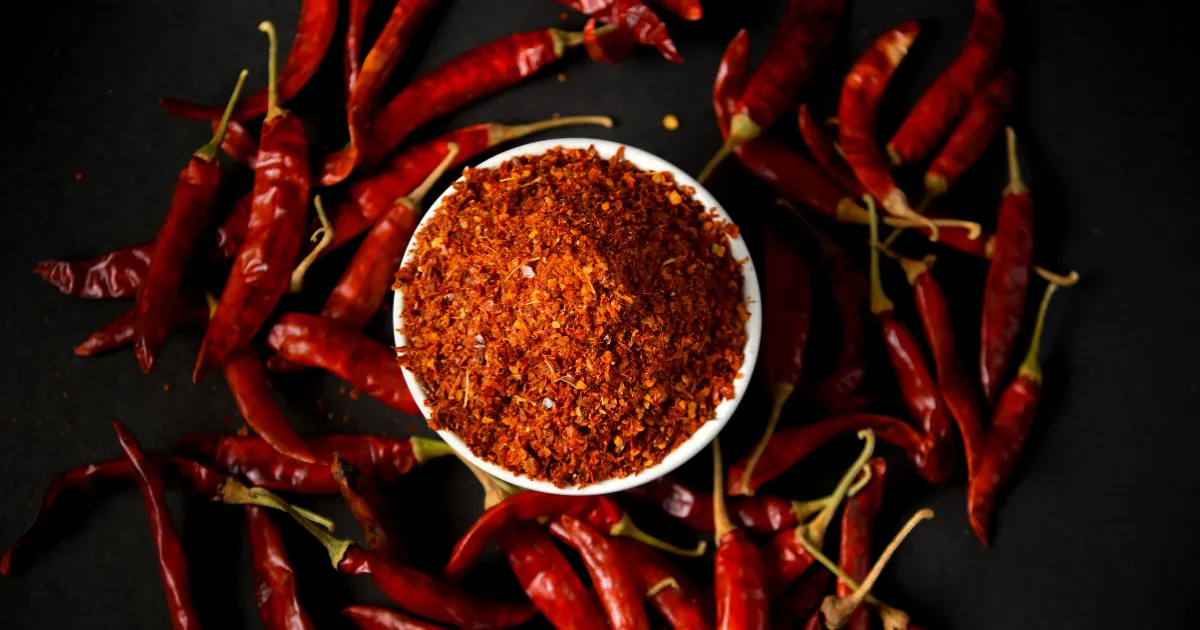
Often called Guntur Sannam, this is the most heavily traded and exported variety from India. It offers a highly stable, "all-purpose" medium heat and flavor profile that serves as the base for many commercial spice formulas globally.
The name “Sannam” is not sufficiently specific for a purchase order. Record the agreed grade, crop, origin information, pod condition and laboratory requirements to ensure color and heat consistency.
Byadgi: The Natural Colorant
Byadgi is famous for its crinkled, shriveled appearance and its ability to bleed a deep, rich red color (high ASTA) into oils and foods without adding aggressive heat. It commands a premium price due to its high demand in the cosmetics and food-dye (oleoresin) industries. Colour still needs verification via lab assay.
Wrinkled 273: The Economical Choice
A semi-wrinkled variety that balances physical appearance and utility. Because its skin structure allows it to dry quickly in fields, it has a lower risk of moisture retention and mold (Aflatoxins). Its low seed count makes it highly efficient for bulk powder grinding.
Logistics & Storage Blueprint for Indian Chilli Exports
Quality can decline after approval if the product sits in a hot, humid store or travels in a poorly prepared container. Moisture migration encourages mold, caking, and loss of commercial value.
Storage & Cold Chain
Maintain a constant range of 4°C to 8°C. This arrests chemical aging and traps capsaicinoids. Keep Relative Humidity at 60% to 65% max. Above 70%, fungal spores germinate, driving up aflatoxin levels. Inland transport during summer months should utilize reefers set to a holding temperature of 10°C.
Packaging Formats
Use only new, clean, double-stitched jute bags or breathable, laminated woven polypropylene (PP) bags (20-25 kg). Overpacking stretches material fibres and exposes seeds. Pre-storage fumigation (Aluminium Phosphide) is standard practice to eliminate larvae.
Ocean Cargo Containers
Utilize 40ft High Cube (HC) Dry Containers. Line the inner floor and walls with heavy-duty kraft paper to catch container condensation. Hang a minimum of 12 to 16 high-absorption silica gel desiccant bags along the roof hooks. Ensure manual airflow vents are clear.
Clearance & Verification
A Third-Party Survey (e.g., SGS, Intertek) should witness container stuffing. The Spices Board of India mandates pre-shipment sampling for Sudan Dyes and Aflatoxins. Phytosanitary certification is required to verify freedom from live pests before sealing.
Control Adulteration Risk in Red Chilli Powder
Powder creates additional identity and adulteration risks because the original pods are no longer visible. Commercial controls should address undeclared colours (Sudan Dyes), fillers, excess seed material, foreign starches and other substances.
Buyers can reduce exposure by purchasing against a composition specification, verifying the processor, retaining samples and using appropriate laboratory tests (like GC-MS and LC-MS/MS). Traceability should connect the powder lot to raw material intake and production records.
For sample approvals: A sample is useful only when it represents the material that will be shipped. Divide it into portions for the exporter, buyer, and laboratory. Seal and identify the retained portions with the lot number, date and signatures.
Common Mistakes when Buying Dry Red Chilli from an Exporter
Request Technical Bulk Quotation
Bulk Industrial Dry Red Chilli from India. Specify your target cultivar (Teja, Sannam, Byadgi), desired format (Whole, Flakes, Powder), SHU heat requirement, and required assay data.
Connect directly with SoilSaga Naturals' engineering and export desk. We supply verified, HPLC-tested bulk quantities to global manufacturing facilities.
✓ EU / NOP Certified Organic Options
✓ Strict Microbiological & Pesticide Verification
✓ Cold Chain Integrity & Third-Party Inspection
Email: info@soilsaganaturals.com
Sales Call: +91 9666691266
Urgent Supply: +91 9642226798
FAQ About Indian Dry Red Chillies
Teja S17 is commonly selected for high-pungency applications. Actual heat varies by lot, so the buyer should use a representative sample and an agreed laboratory method rather than treating the variety name as a guaranteed Scoville (SHU) value.
Byadgi is generally selected for strong red colour (high ASTA) and lower heat relative to Teja. It is used in powders, sauces, spice blends and oleoresin production. Request both colour and pungency results because neither should be assumed from appearance.
Teja S17 is usually chosen when high heat is the main requirement. Sannam 334 is often considered for broader processing applications that need a practical heat-colour balance. The better choice depends on the tested lot and finished-product trial.
Choose whole chillies when you want greater visibility into raw material and can manage cleaning and milling. Choose powder when production convenience is more valuable and the supplier can meet strict identity, particle-size, microbiological and adulteration controls.
Check the legal business details, export registration (Spices Board of India), facility information, certificate scope, traceability process and ability to provide lot-specific HPLC test results. Verify certificates with their issuing bodies where possible.
Some lots can meet both, particularly when target ranges are broad. Tight formulations perform better with controlled blending. For example, Teja supplies heat while a tested Byadgi lot supplies additional colour. The ratio must be established through trials and recorded.
Shelf life depends on initial moisture, water activity, packaging, temperature (ideal 4°C-8°C), humidity (60%-65%), oxygen exposure, and pests. Define storage conditions and monitor retained samples rather than relying solely on a printed date.
Send the destination country, intended use, variety preference, whole or ground format, quantity, heat (SHU) and colour (ASTA) requirements, moisture limit, residue and microbiological requirements, packaging, required documents and delivery terms.